
Air Cooled Oil Cooler: Boost Machine Life & Reduce Breakdown Costs
Air Cooled Oil Cooler: Boost Machine Life & Reduce Breakdown Costs
In modern industrial operations, machine uptime, reliability, and cost control are critical business priorities. Whether it is a stone crusher, hydraulic power pack, CNC machine, or heavy construction equipment, one common factor determines long-term performance: oil temperature control.
Excessive oil heat is one of the leading causes of premature machine failure. This is where an Air Cooled Oil Cooler becomes a vital industrial component. Designed to regulate oil temperature efficiently, air cooled oil coolers help industries boost machine life, reduce breakdown costs, and maintain consistent production.
This SEO-optimized, in-depth guide explains everything B2B decision-makers need to know about air cooled oil coolers—from working principles and benefits to selection tips and ROI—written in a natural, human-made tone with strong SEO structure.
Why Oil Temperature Control Matters in Industrial Machines
Industrial machines operate under high pressure, heavy load, and continuous duty cycles. During operation, hydraulic and lubrication oil absorbs heat generated by friction, pressure losses, and mechanical movement.
When oil temperature exceeds safe limits:
- Oil viscosity reduces
- Lubrication quality deteriorates
- Seals and hoses harden
- Pumps and valves wear faster
- System efficiency drops
Even a small rise in oil temperature can lead to frequent breakdowns, unplanned downtime, and rising maintenance costs. Over time, overheating shortens machine life and increases operational expenses.
An Air Cooled Oil Cooler directly addresses this problem by maintaining oil temperature within the recommended range.
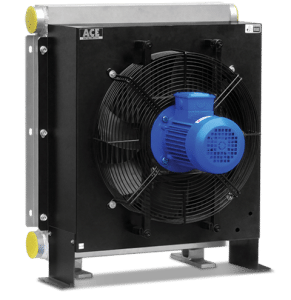
What Is an Air Cooled Oil Cooler?
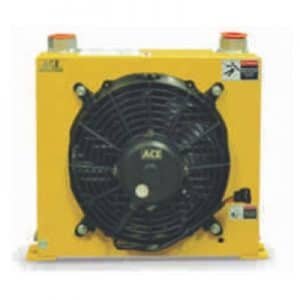
An Air Cooled Oil Cooler is a heat exchanger that removes excess heat from hydraulic or lubrication oil using ambient air. Instead of water circulation, it relies on finned tubes or aluminum cores and a powerful fan to dissipate heat.
Because of their simple design, low maintenance needs, and adaptability to harsh industrial environments, air cooled oil coolers are widely used across industries.
How an Air Cooled Oil Cooler Works
The working process of an air cooled oil cooler is simple yet highly effective:
- Hot oil flows from the hydraulic system into the oil cooler
- Oil passes through finned tubes or cooling cores
- A fan forces air across the fins
- Heat transfers from oil to air
- Cooled oil returns to the system
This continuous cooling cycle ensures oil temperature remains stable even during long operating hours and high-load conditions.
How Air Cooled Oil Coolers Boost Machine Life
1. Prevents Oil Degradation
Oil degradation accelerates at high temperatures. Oxidation, sludge formation, and loss of viscosity reduce oil effectiveness.
An air cooled oil cooler:
- Maintains optimal oil viscosity
- Reduces oxidation
- Extends oil service life
Result: Healthier oil and longer machine life
2. Protects Critical Components
High oil temperature damages:
- Hydraulic pumps
- Control valves
- Cylinders
- Seals and O-rings
By controlling temperature, air cooled oil coolers reduce internal wear and protect expensive components from premature failure.
3. Maintains Stable Hydraulic Performance
Cool oil ensures:
- Consistent pressure
- Smooth valve response
- Reduced internal leakage
This stability prevents shock loads and uneven wear, helping machines operate closer to their design limits for longer periods.
How Air Cooled Oil Coolers Reduce Breakdown Costs
1. Fewer Unplanned Breakdowns
Overheating is a major cause of sudden machine stoppage. By maintaining safe oil temperature, air cooled oil coolers significantly reduce unexpected breakdowns.
This translates into:
- Higher uptime
- Better production planning
- Lower emergency repair costs
2. Lower Maintenance Frequency
Machines operating with controlled oil temperature experience:
- Slower component wear
- Fewer seal failures
- Reduced oil contamination
As a result, maintenance intervals increase and overall maintenance cost decreases.
3. Reduced Spare Parts Consumption
Breakdowns often require replacement of pumps, seals, hoses, or valves. By minimizing thermal stress, air cooled oil coolers reduce spare part usage and inventory costs.
Industrial Applications of Air Cooled Oil Coolers
Air cooled oil coolers are widely used in B2B and industrial sectors, including:
• Stone Crushers & Mining Equipment
Continuous crushing operations generate extreme heat. Air cooled oil coolers ensure uninterrupted performance and protect hydraulic systems from overload.
• Hydraulic Power Packs
Power packs operate under constant pressure. An air cooled oil cooler prevents oil overheating and pressure loss.
• Construction & Earthmoving Equipment
Machines such as excavators, loaders, and cranes rely heavily on hydraulic systems that benefit from efficient oil cooling.
• Manufacturing & CNC Machines
Precision machines require stable oil properties to maintain accuracy and reduce downtime.
• Presses & Injection Molding Machines
Stable oil temperature ensures consistent cycles and long production runs.
Air Cooled Oil Cooler vs Water Cooled Oil Cooler
From an industrial and B2B perspective, air cooled oil coolers offer several advantages:
| Factor | Air Cooled Oil Cooler | Water Cooled Oil Cooler |
| Water Requirement | No | Yes |
| Maintenance | Low | High |
| Installation | Simple | Complex |
| Operating Cost | Lower | Higher |
| Suitability | Harsh environments | Controlled environments |
For most industrial applications, air cooled oil coolers provide better reliability and lower total cost of ownership.
Key Benefits of Using an Air Cooled Oil Cooler
- Boosts machine life
- Reduces breakdown costs
- Low maintenance requirement
- No dependency on water
- Suitable for dusty and outdoor environments
- Easy installation and operation
- Long-term cost savings
These benefits make air cooled oil coolers a smart investment for industrial machinery.
How to Choose the Right Air Cooled Oil Cooler
Selecting the right air cooled oil cooler is essential for performance and longevity.
1. Heat Load Requirement
Calculate the heat generated by your system. An undersized oil cooler will fail to control temperature.
2. Oil Flow Rate
Ensure the oil cooler can handle your system’s flow without excessive pressure drop.
3. Ambient Temperature
Higher ambient temperatures require higher cooling capacity.
4. Application Type
Different machines—crushers, presses, power packs—have different cooling demands.
5. Duty Cycle
Continuous-duty machines need heavy-duty air cooled oil coolers designed for nonstop operation.
Common Problems Caused by Inadequate Oil Cooling
Without proper oil cooling, industries often face:
- Frequent pump failures
- Oil leakage issues
- Overheating alarms
- Reduced machine efficiency
- Shortened equipment lifespan
An air cooled oil cooler eliminates these issues at the source.
Maintenance Tips for Air Cooled Oil Coolers
Air cooled oil coolers are low maintenance, but basic care ensures optimal performance:
- Clean fins regularly to remove dust and debris
- Check fan operation periodically
- Inspect oil connections for leaks
- Monitor oil temperature during operation
Simple preventive maintenance keeps the oil cooler efficient for years.
SEO Perspective: Why Air Cooled Oil Cooler Content Matters
From an SEO and B2B lead generation standpoint, “Air Cooled Oil Cooler” is a high-intent industrial keyword. Buyers searching this term are usually:
- Plant managers
- Maintenance engineers
- Procurement heads
- Industrial consultants
Well-optimized content helps:
- Rank for commercial-intent keywords
- Attract qualified B2B leads
- Build technical authority
- Improve inquiry conversion rates
This article maintains natural keyword density, semantic keyword usage (hydraulic oil cooler, industrial oil cooling, machine overheating solution), and proper heading structure for search engines.
Long-Term ROI of an Air Cooled Oil Cooler
The return on investment is measurable and significant:
- Reduced downtime losses
- Lower maintenance expenditure
- Extended machine and oil life
- Improved productivity
- Fewer emergency shutdowns
Most industries recover the cost of an air cooled oil cooler within a short operational period.
Final Conclusion
An Air Cooled Oil Cooler is not just a supporting component—it is a critical asset for industrial machines. By maintaining optimal oil temperature, it directly helps boost machine life and reduce breakdown costs.
For industries operating in demanding environments, air cooled oil coolers offer a reliable, cost-effective, and low-maintenance solution that protects equipment and improves long-term profitability.
If your machines are facing overheating issues, rising maintenance expenses, or frequent downtime, investing in a high-quality air cooled oil cooler is a strategic decision that delivers lasting value.